Traction Facility
Traction is a therapeutic technique that uses controlled force to help manage selected musculoskeletal conditions under professional supervision.
Controlled
Support
Professional
Care
Guided
Recovery
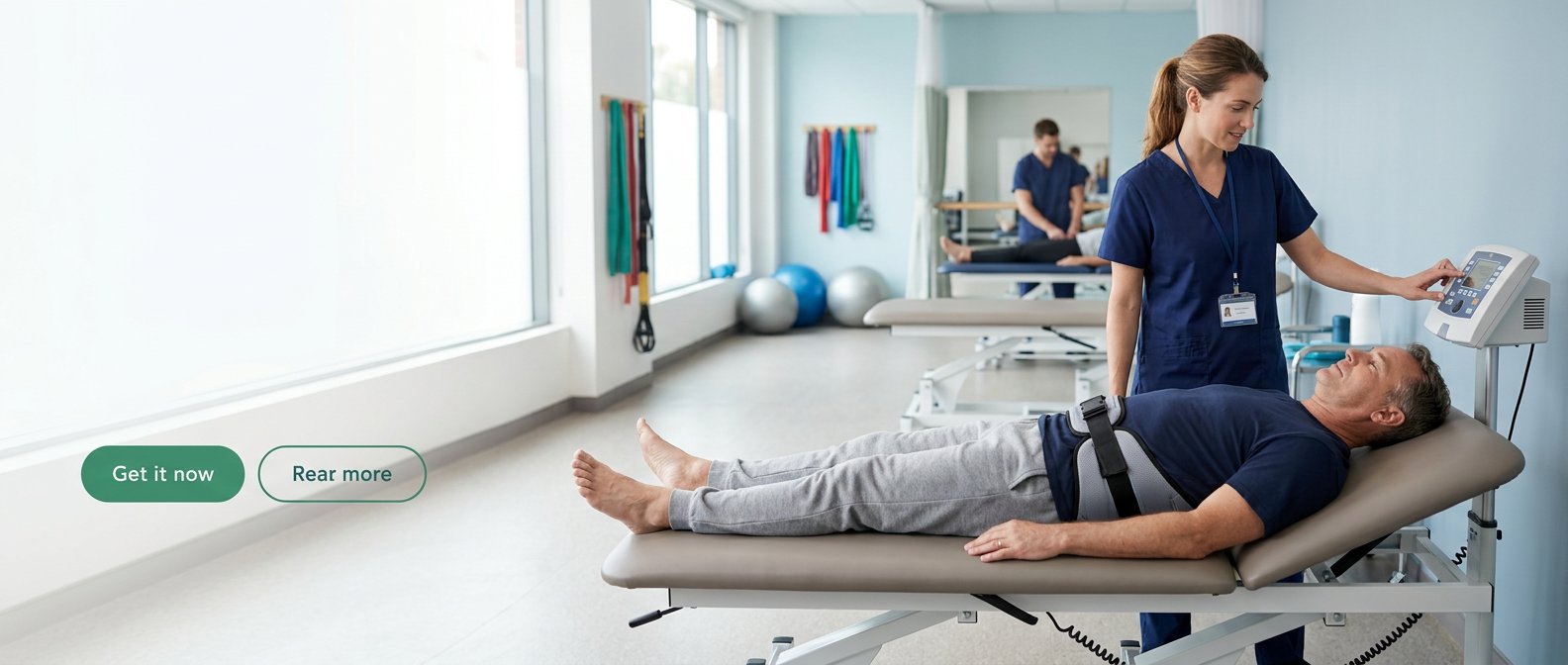
What is Traction?
Traction involves applying controlled pulling force to a specific body region as part of a treatment plan.
It is used for selected musculoskeletal conditions, always under professional supervision and appropriate settings.
“Controlled care, applied with care.”
Traction for Selected Conditions
Controlled therapeutic support under professional supervision
Controlled & Supervised
Traction is a therapeutic technique that uses controlled force to help manage selected musculoskeletal conditions.
The treatment is applied under professional supervision, with settings and duration planned according to the patient's condition.
Applications
Selected Spine-Related Conditions
Support for specific spine-related conditions, as advised.
Musculoskeletal Pain
Part of a treatment plan for selected pain conditions.
Certain Joint-Related Conditions
Considered for specific joint-related conditions.
Rehabilitation Programs
Integrated with other rehabilitation approaches.
How Traction Works
A supervised four-step approach to traction therapy.
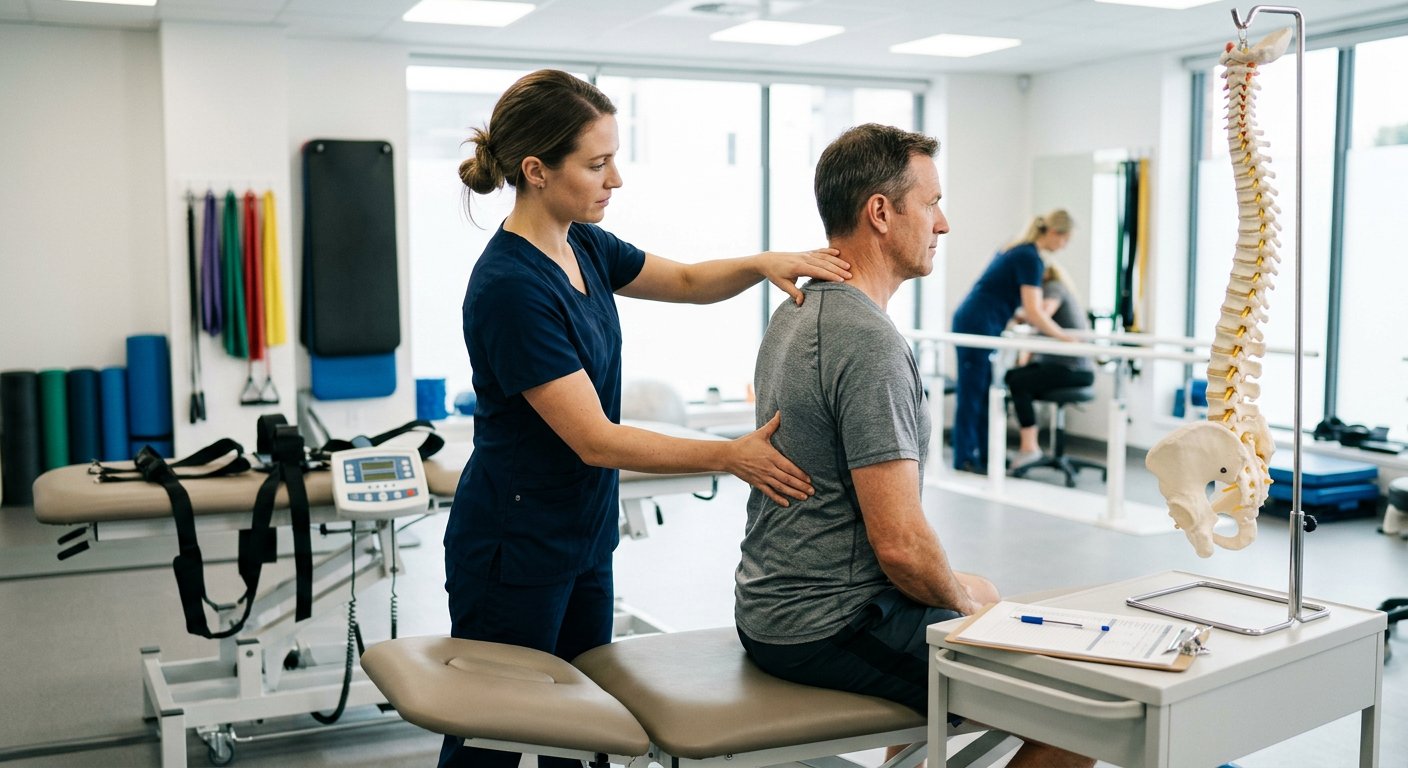
01. Assessment
The patient's condition is evaluated.
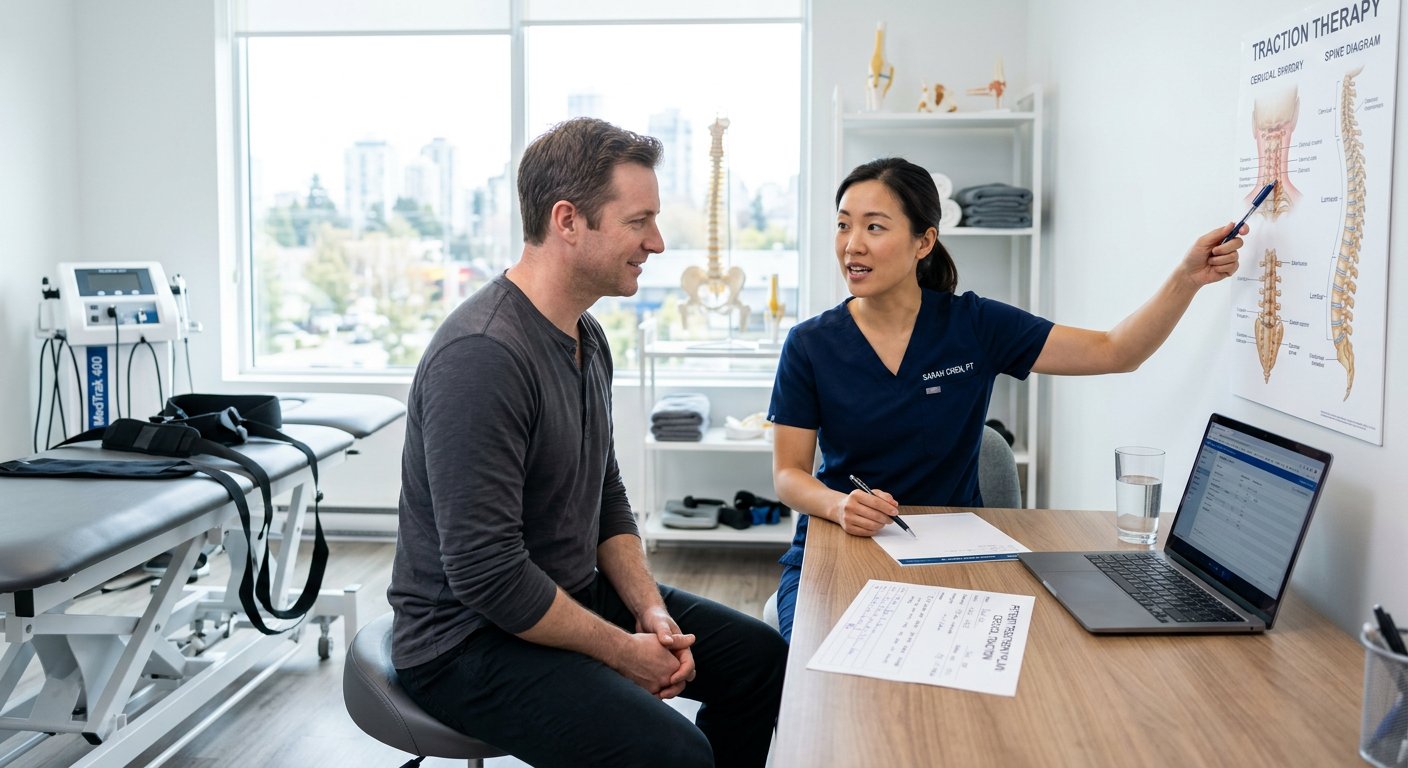
02. Treatment Planning
The therapist determines whether traction is appropriate.
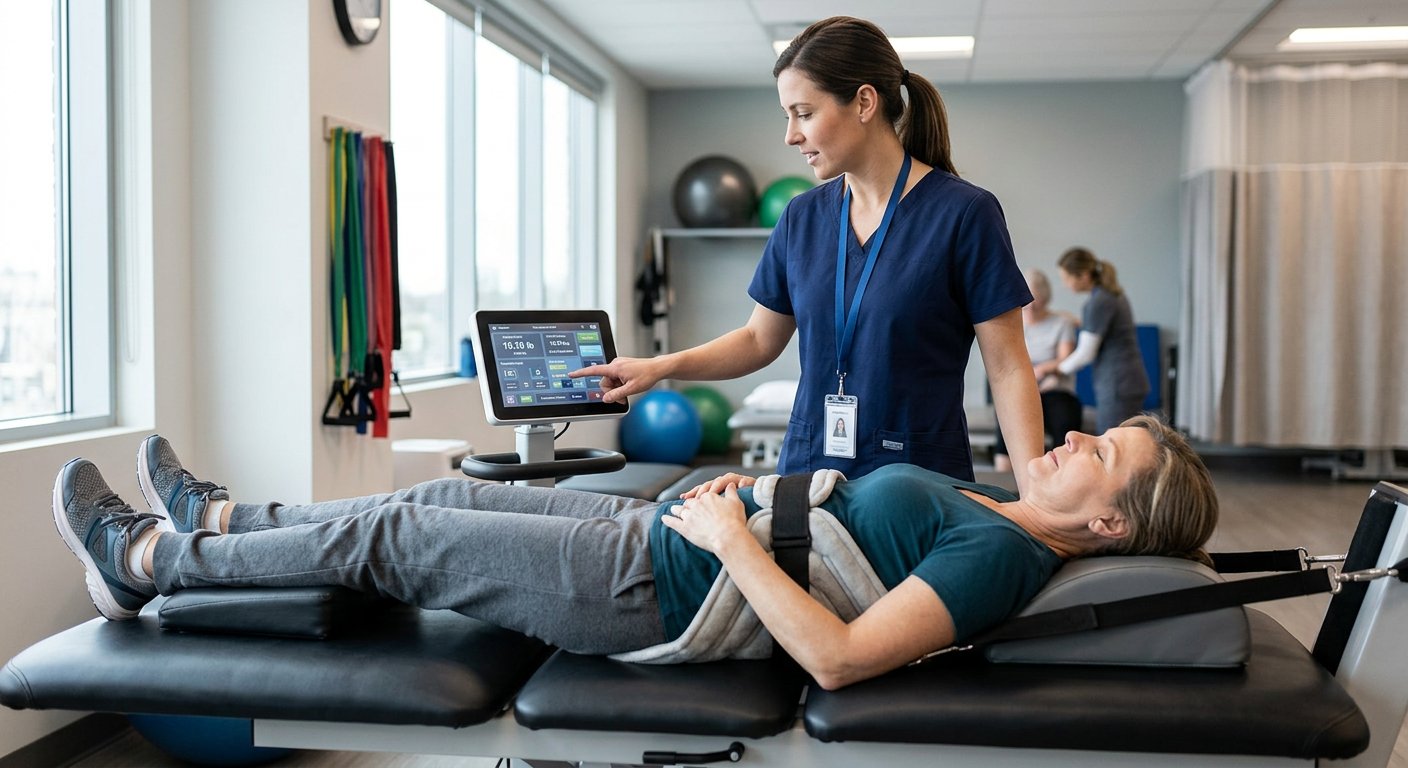
03. Controlled Traction
The treatment is applied using appropriate settings.
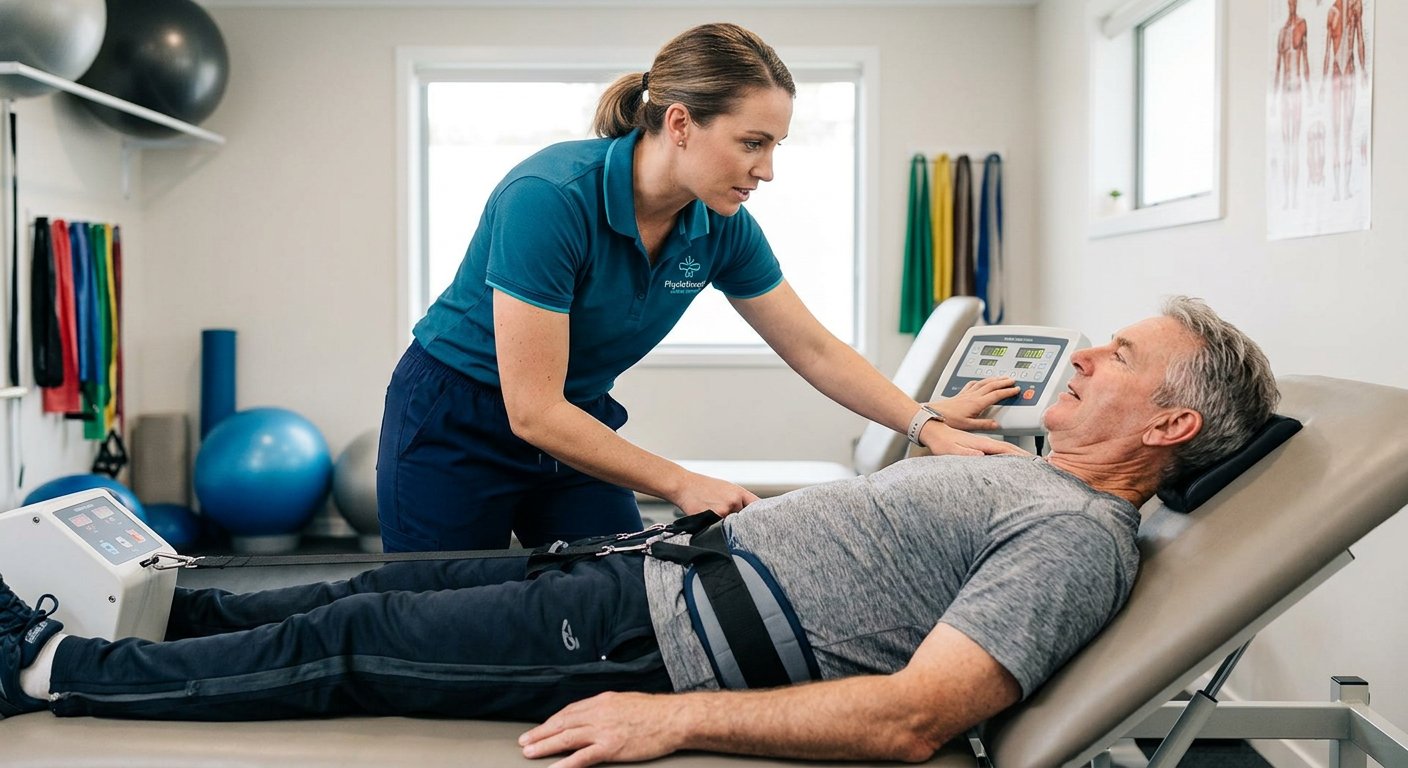
04. Monitoring
Patient response is observed throughout the session.
Benefits of Traction Therapy
Controlled therapy under professional supervision.
Controlled Support
Force is applied with appropriate, monitored settings.
Condition-Specific Treatment
The approach is planned for the specific condition.
Rehabilitation Assistance
Supports a broader rehabilitation program.
Professional Monitoring
The patient's response is observed throughout.
Patient Safety & Care
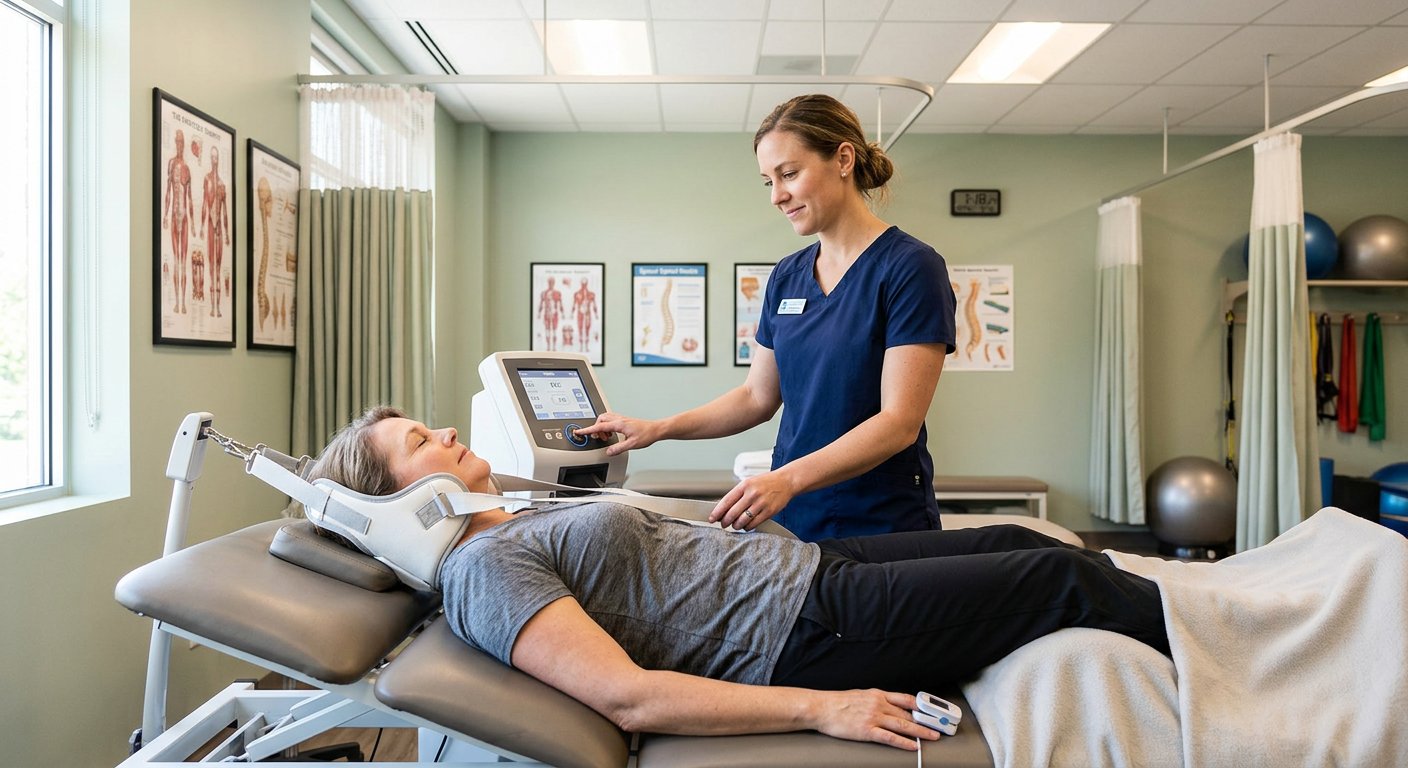
Traction is applied only after the patient's condition has been evaluated by the therapy team, using appropriate settings for the specific condition.
The patient's response is observed throughout each session, and patients are guided on any precautions related to their condition.
Why Choose Shri Datta?
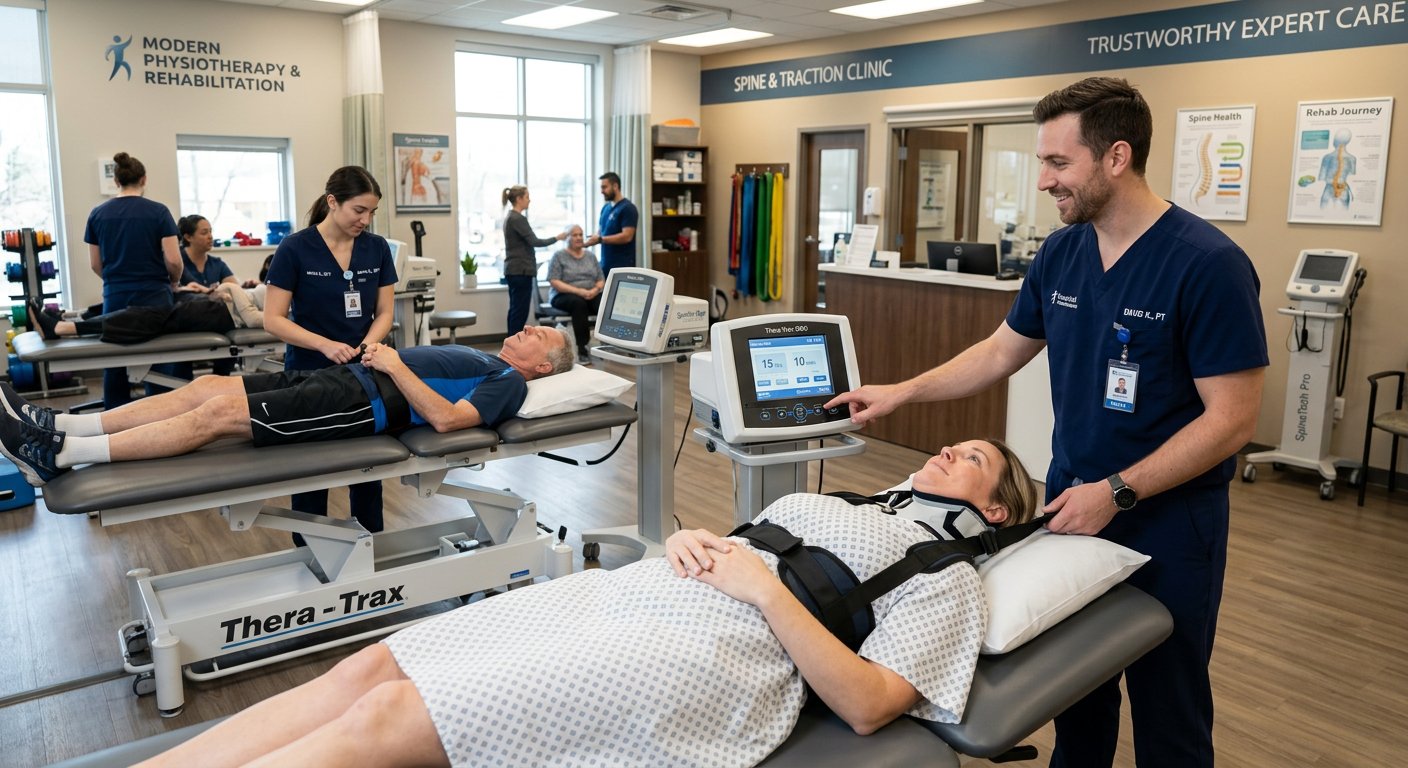
Our rehabilitation team plans traction as part of a broader, condition-specific treatment approach rather than a standalone procedure.
Sessions are supervised, and progress is reviewed regularly to adjust the program as needed.
Frequently Asked Questions
Answers to key questions regarding our traction facility services.
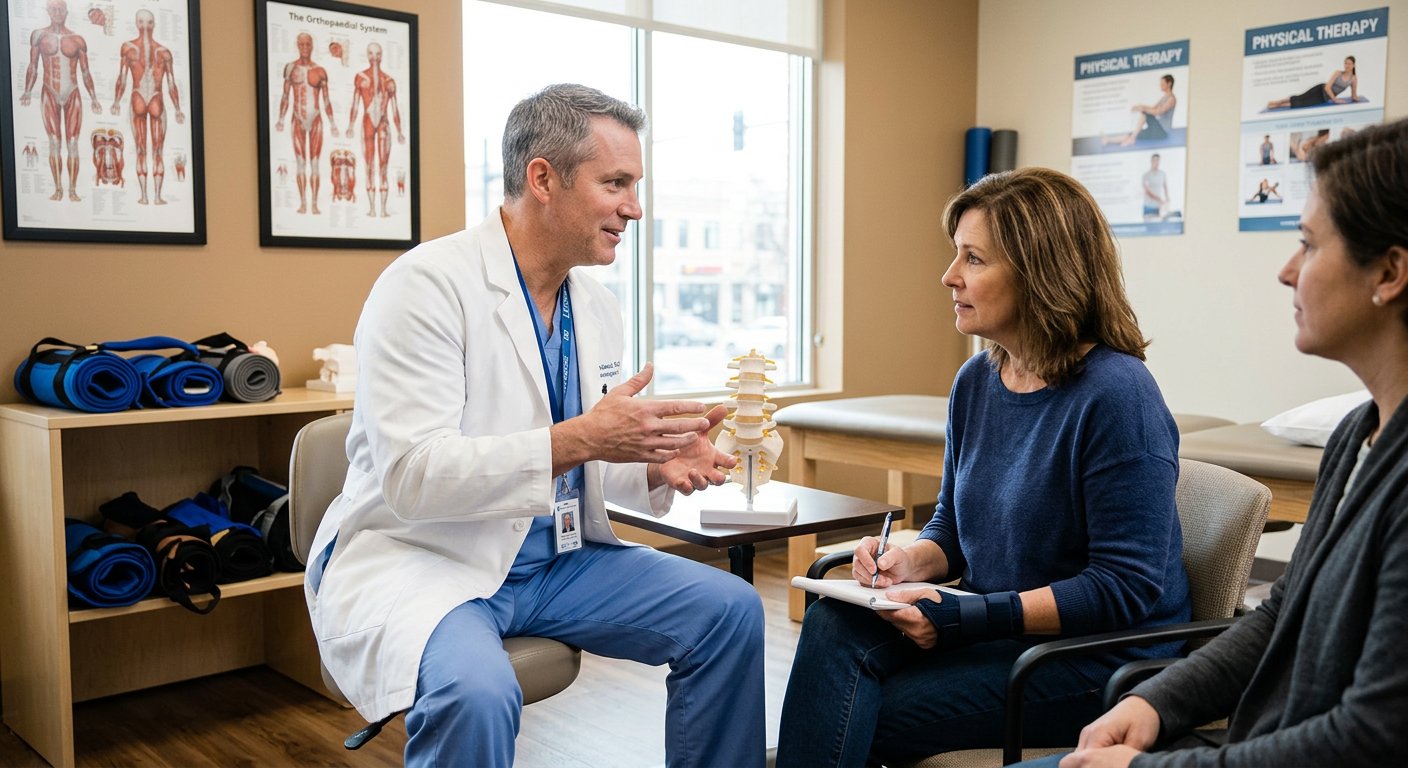
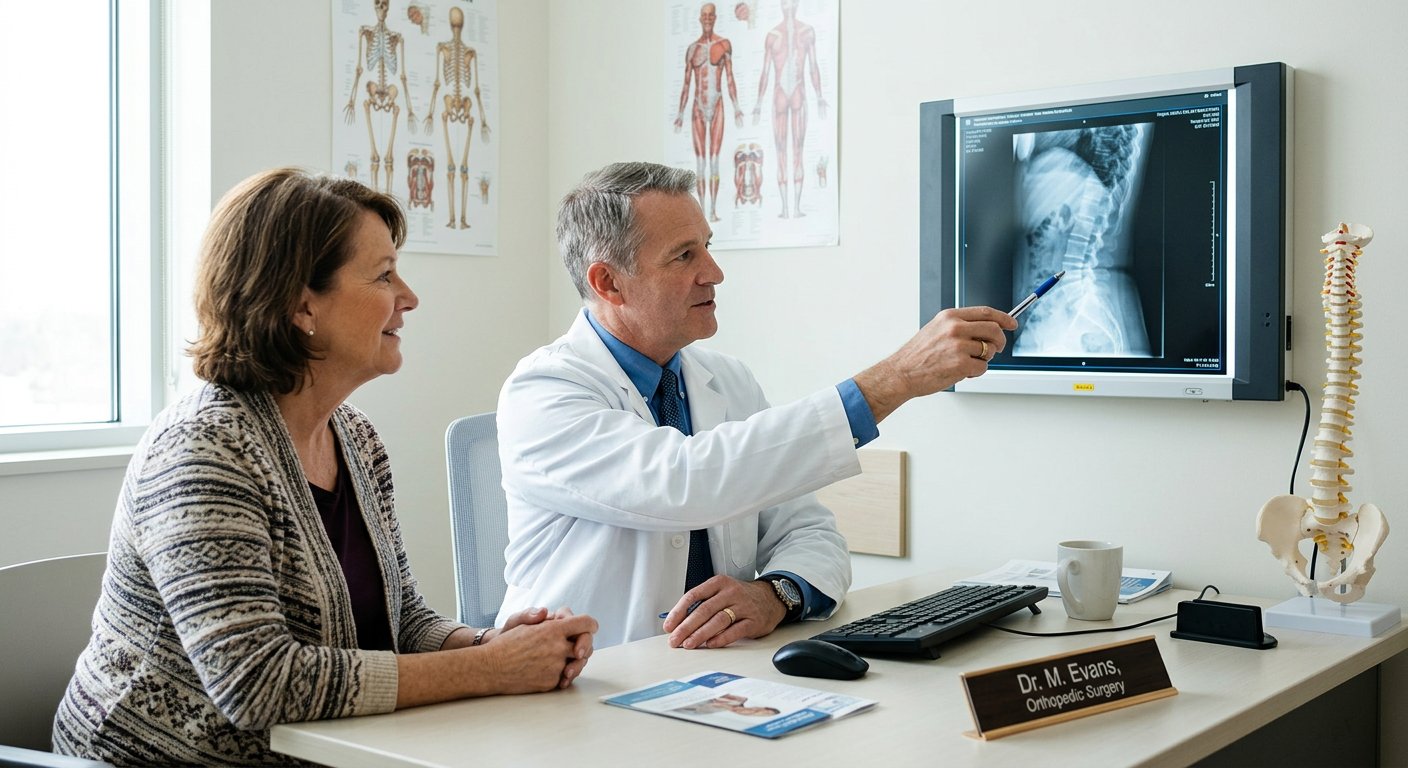
Controlled Support. Guided Recovery.
Traction, planned and supervised by our rehabilitation team as part of your overall treatment program.
- Professional Supervision
- Condition-Specific Planning
- Progress Monitoring